September 9, 2026
National Preparedness Month - September - HVAC
Storm season can put extra stress on the heating and cooling systems that keep your home comfortable. A few simple preventive steps can reduce damage, improve…
Tips & advice
May 27, 2026
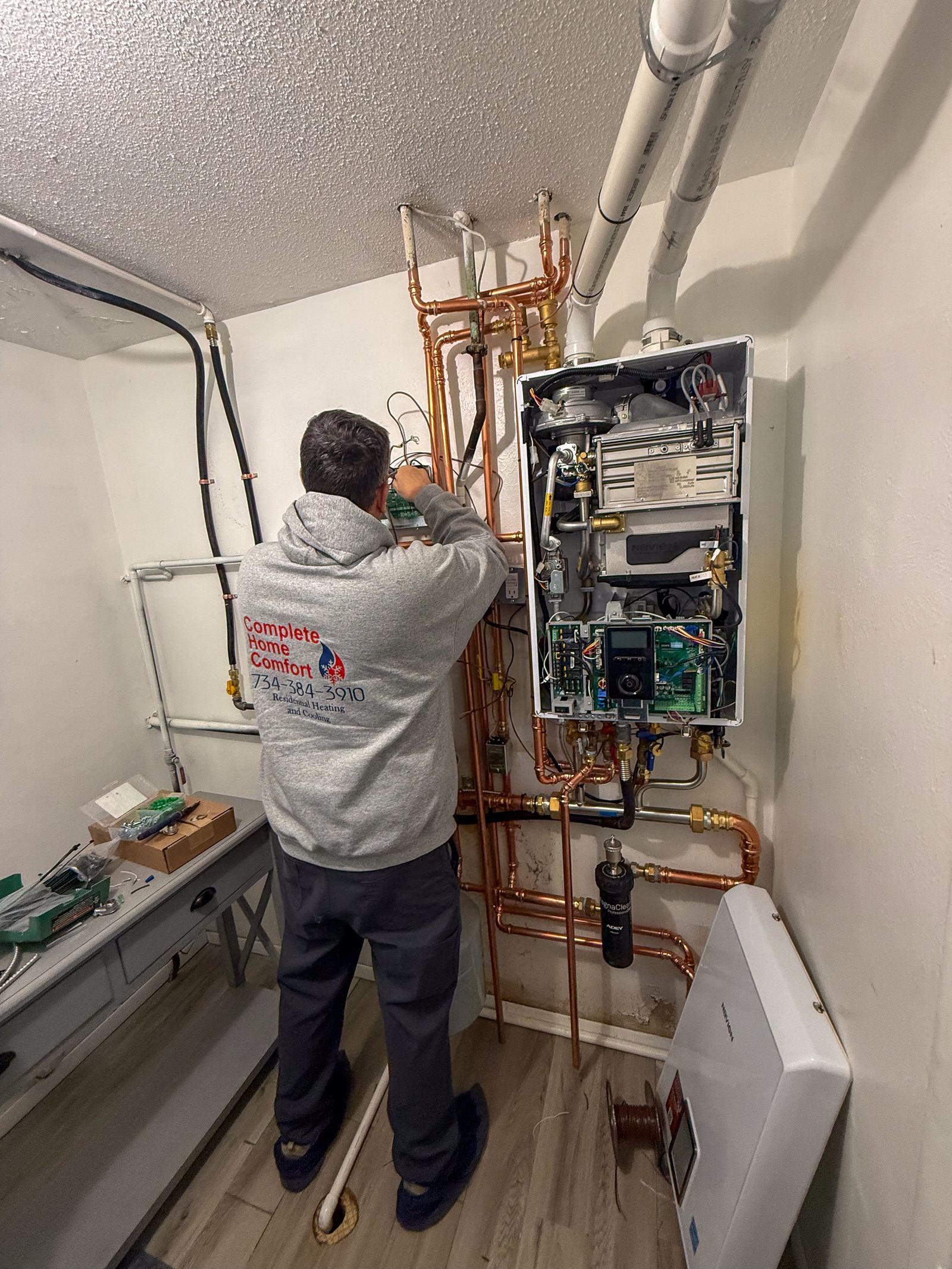
Reliable hot water isn’t just about having the newest equipment or making major home upgrades. In many cases, the best way to maintain steady performance is through one simple habit: scheduling an annual water heater flush. Whether your home uses a tank-style heater or a modern tankless system, routine flushing is one of the most effective ways to prevent breakdowns, reduce energy waste, and extend the life of your equipment.
This refreshed guide walks through what a water heater flush includes, why it’s a crucial part of home maintenance, how often it should be done, and what makes tankless system care a bit different from traditional units.
A water heater flush is a professional cleaning process designed to remove sediment and mineral deposits from inside your system. For tankless heaters, a technician circulates a safe descaling solution through the heat exchanger, letting it dissolve buildup before thoroughly rinsing the system. For tank-style heaters, the process typically involves draining the tank, flushing it with clean water, and clearing out accumulated debris until the water runs clear.
Most of the residue that collects inside a water heater comes from minerals like calcium and magnesium. Over time, these minerals coat heating surfaces, clog internal pathways, and make your equipment work harder than it should—all issues that a proper flush is designed to correct.
Allowing scale and sediment to build up inside your water heater doesn’t just make it less efficient. If ignored long enough, it can lead to significant performance issues, shorten equipment lifespan, and even create safety hazards.
Here are the core points every homeowner should know:
Need water heater help this week?
The recommended frequency depends largely on what type of water heater you own:
Regular maintenance ensures your system operates safely and efficiently while helping you avoid surprise breakdowns down the road.
Tankless water heaters, often referred to as on-demand systems, heat water as it flows through a compact heat exchanger rather than storing it. Because water moves continuously through narrow passages, minerals naturally collect inside these tight spaces, forming a chalk-like layer of limescale.
When this scale accumulates, the system has to run longer to reach its target temperature. This can lead to decreased energy efficiency, inconsistent hot water, reduced water pressure, and noises you may not be used to hearing. Without regular descaling, even a high-quality tankless unit—designed to last 15 to 20 years—may experience a shorter lifespan.
Manufacturers commonly require yearly flushes to maintain warranty protection. During this service, a professional isolates the unit, circulates a manufacturer-approved descaling solution through the heat exchanger, dissolves the mineral buildup, and flushes the system clean.
Your home’s water conditions also play a major role. Hard water accelerates scale accumulation, while even homes with softening systems can still experience some residue over time. Signs that your tankless heater may need attention include temperature inconsistencies, white mineral deposits near fixtures, reduced flow at faucets, and rising energy costs.
A thorough tankless service usually includes:
Skipping these steps can result in error codes, system shutdowns, or leaks—problems that regular maintenance easily prevents.
Although flushing a water heater might seem like a simple task, both tankless and tank-style systems require specific tools, proper isolation steps, and safe descaling solutions. Without the right setup, it’s easy to accidentally push debris into delicate components, leave corrosive solution in the system, or damage sensors—mistakes that can void your warranty.
A licensed professional follows manufacturer requirements, uses the correct equipment, and documents the service to protect your system and maintain warranty compliance. While DIY attempts may seem cost-effective, the risk of improper flushing often outweighs the savings.
Scheduling a water heater flush is a small investment that delivers big returns in reliability, safety, and efficiency. Whether your home uses a traditional tank or a modern on-demand system, routine descaling keeps your equipment running smoothly, reduces energy waste, and helps prevent costly repairs.
If you’re ready to give your water heater the care it needs, now is the perfect time to schedule a professional flush. A short appointment today can spare you unexpected headaches—and help ensure you always have the hot water you depend on.
Book online now, or call and talk to a real person.
Technician was prompt, professional, and courteous, and prices were reasonable. Would definitely hire again!
September 9, 2026
Storm season can put extra stress on the heating and cooling systems that keep your home comfortable. A few simple preventive steps can reduce damage, improve…
August 26, 2026
Late August is an ideal moment for homeowners in Monroe County, MI and the greater Toledo, OH area to get ahead of the seasonal shift. After a long summer of…
August 13, 2026
Your heating and cooling system works hard to keep your home comfortable through every season, but even the most reliable equipment doesn’t last forever. Many…